
UI UX Design
The Secret Psychology Behind User Experience
Jan 13, 2026
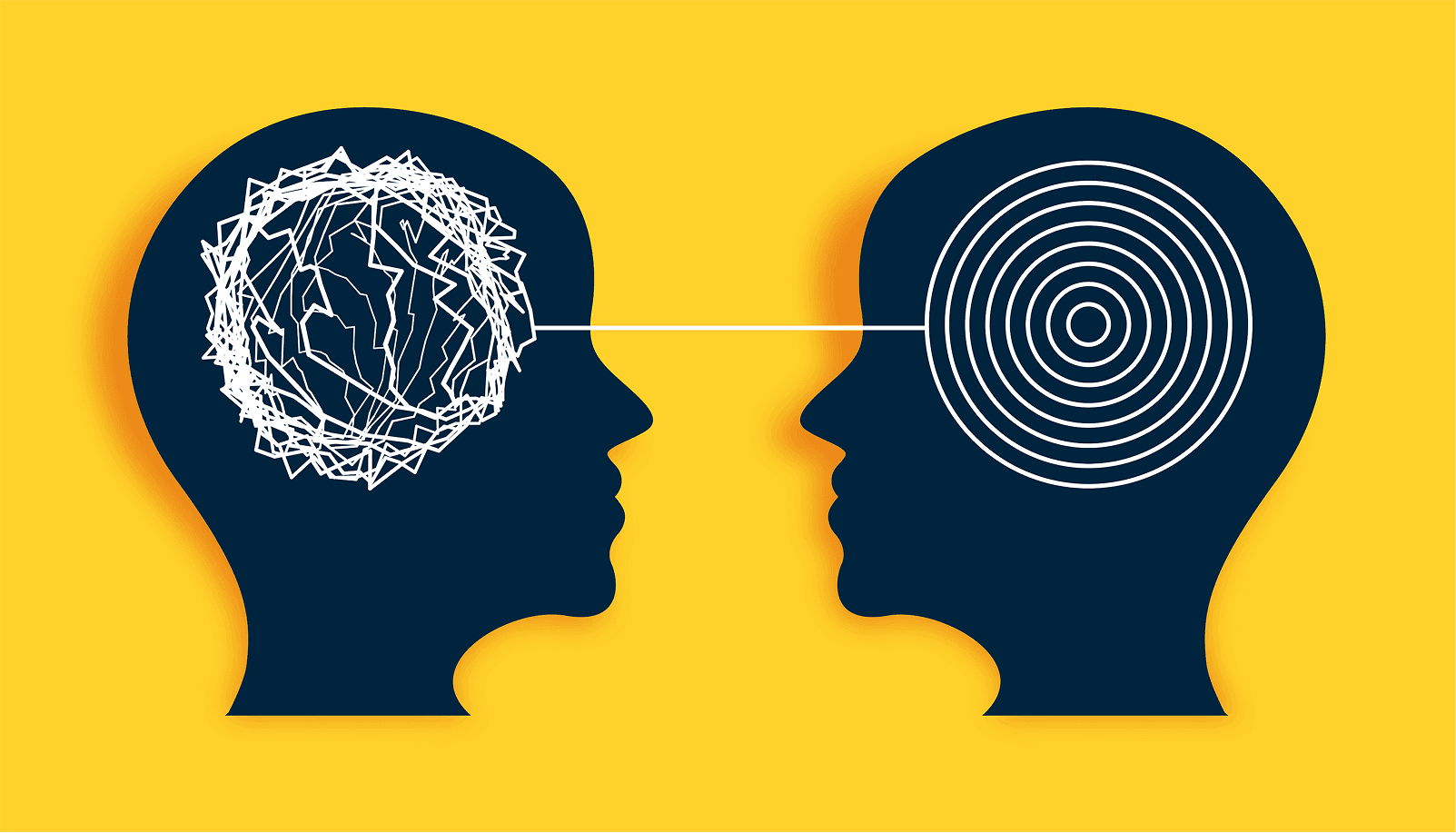
Have you ever used an app that just felt right even though you couldn’t explain why?
You didn’t struggle.
You didn’t think.
You didn’t get confused.
You just moved forward naturally.
That feeling isn’t accidental.
It’s psychology at work.
User Experience (UX) design isn’t only about layouts, flows, or buttons. At its core, UX is about understanding how the human brain thinks, feels, and decides often in milliseconds.
Let’s uncover the invisible psychology that shapes every good digital experience.
1. The Brain Loves Familiarity
Humans are pattern-seeking creatures.
When something feels familiar, the brain relaxes.
When something feels new or unpredictable, the brain resists.
That’s why most apps place:
Navigation at the top or bottom
Logos on the left
Primary actions in predictable spots
Designers aren’t being lazy — they’re being empathetic.
Familiar patterns reduce learning time and increase trust.
2. Cognitive Load: The Silent UX Killer
Your brain can only process so much information at once.
When a screen shows too many choices, too much text, or unclear actions, the brain experiences cognitive overload and users feel tired, confused, or frustrated.
Good UX reduces cognitive load by:
Breaking tasks into steps
Using whitespace generously
Showing only what’s necessary
Hiding complexity until needed
The best UX makes hard things feel easy.
3. Humans Hate Uncertainty
Uncertainty creates anxiety.
When users don’t know:
What will happen next
Whether something worked
If they made a mistake
…they feel stressed.
That’s why good UX includes:
Loading indicators
Success messages
Error messages that explain what went wrong
Clear progress steps
UX reassures users constantly even without words.
4. People Decide With Emotion, Then Justify With Logic
We like to think we’re logical beings.
We’re not.
Most decisions happen emotionally first logic comes later to justify them.
That’s why:
Color affects trust
Micro-interactions create delight
Friendly copy feels safer
Smooth animations feel “premium”
Good UX connects emotionally before it explains rationally.
5. The Brain Wants Control
Users want to feel in control not trapped.
Good UX gives users:
Clear exits
Undo options
Predictable actions
Transparency
Even small things like “Cancel” buttons or “Edit” options reduce anxiety and increase confidence.
Control builds trust.
6. Attention Is Precious and Fragile
The human brain constantly scans for relevance.
If a screen feels confusing or overwhelming, attention drops instantly.
Good UX respects attention by:
Highlighting one primary action
Using visual hierarchy
Guiding the eye naturally
Avoiding unnecessary distractions
Design doesn’t force attention it earns it.
7. Memory Shapes Experience
Users don’t remember every interaction.
They remember:
The first moment
The most intense moment
The last moment
This is called the Peak-End Rule.
That’s why onboarding, error handling, and final confirmations matter so much.
A good ending can forgive a weak middle.
8. Trust Is Built in Micro-Moments
Trust isn’t built with big claims.
It’s built through tiny details:
Clear language
Consistent visuals
Honest feedback
Predictable behavior
Every interaction is a small promise.
Every fulfilled promise builds confidence.
9. Good UX Feels Effortless But It Isn’t
What feels effortless to users often took designers weeks of testing, refining, and simplifying.
Designers aren’t guessing they’re observing, testing, and improving based on real human behavior.
The goal of UX isn’t to impress.
It’s to disappear.
Final Thought
User Experience design is applied psychology.
It’s not about tricks or manipulation it’s about understanding people deeply and designing with care.
The best UX doesn’t ask users to think harder.
It helps them think less.
And when UX is done right, users don’t notice the design they just feel good using the product.
That’s the real secret behind great user experience.